
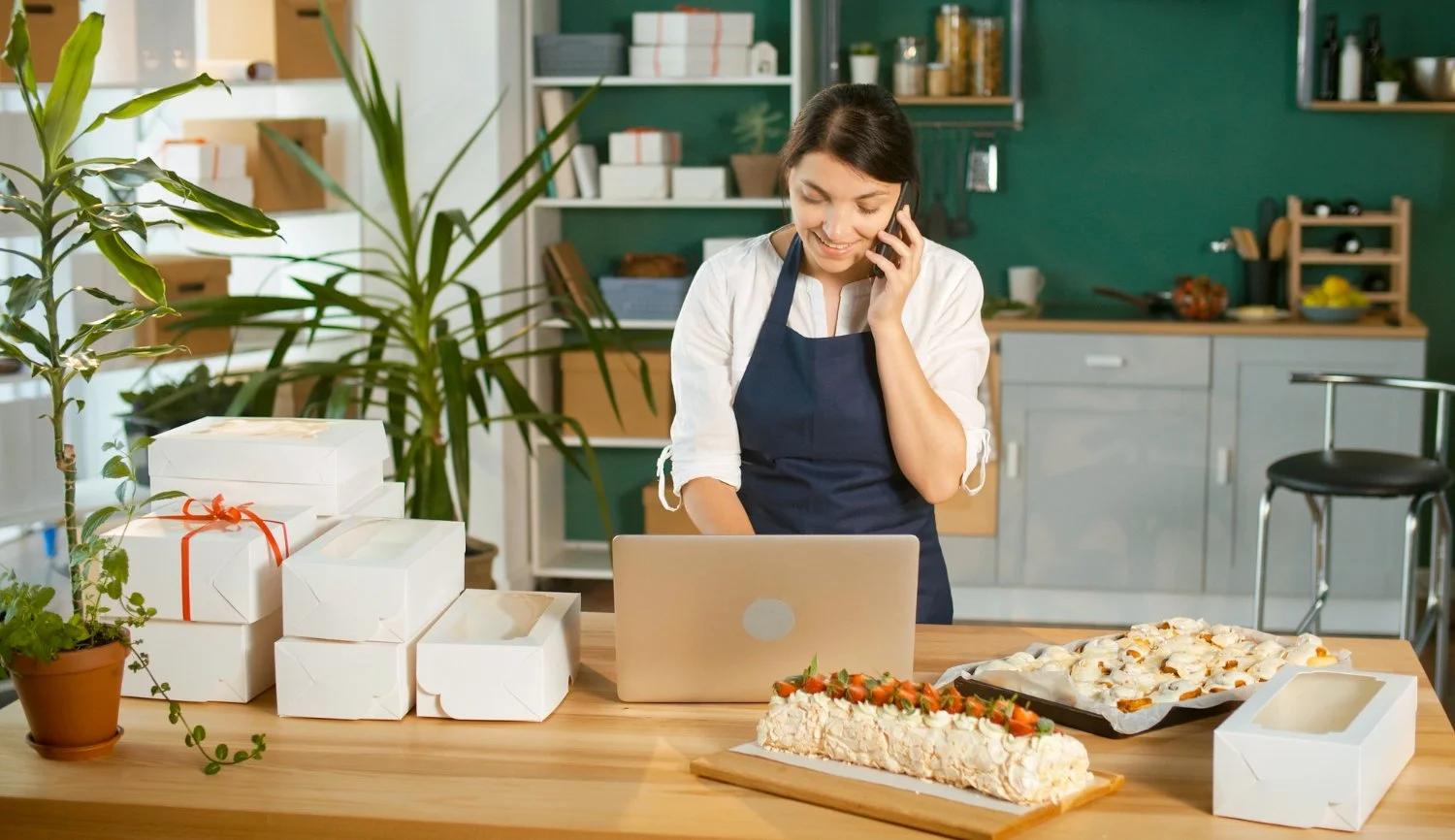
What to Have in Place Before You Take Your First Home Bakery Order
You’ve worked through the requirements for selling from home and you’re getting close to opening orders.
This is usually the point where it becomes tempting to post a photo on Instagram, write “orders are open,” and figure out the rest as people start messaging you. That works until several orders come in at once.
Now you’re scrolling through DMs to remember who wanted six cinnamon rolls and who wanted twelve. Someone paid by e-transfer but used a different name. Another customer wants to pick up two hours later than everyone else, and you’re trying to remember whether you already sold the last box of cookies. Before you take that first order, it helps to decide how the selling part of the business is actually going to work.
You don’t need an elaborate system. You need a clear way for customers to order and a process that keeps you within what you can realistically make. You also need to know what happens after the order comes in, right through to pickup.
If you’re still working through what’s required to sell food from home, Home Bakery Business Canada’s Ready to Sell course walks through the federal and provincial requirements, food labelling, where you’re allowed to sell, and the business basics to have in place before your first sale.
When you’re ready to start taking orders, there are a few other decisions worth making first.
Start with what you can comfortably make
When you’re opening orders for the first time, it’s easy to build the menu around everything you know how to bake. A better place to start is with what you can make well in batches without spending the entire weekend in the kitchen.
That might mean two flavours of cinnamon rolls instead of six. Maybe you offer a sourdough loaf alongside one seasonal item. Your menu can grow later, once you get into the swing of things and know what your customers want to buy.
Before deciding how many to sell, work backwards from production. How many trays fit in your oven? How much cooling space do you have? How long will packaging take when there are 20 orders in front of you instead of one?
If 24 boxes feels manageable, sell 24. Selling out at a number you planned for is a much better first experience than taking every order that comes in and realizing later that you’ve committed to more than you can make.
This is one reason pre-order drops work particularly well for home bakers. You decide what you’re offering and how much is available before orders open. When the order window closes, you know exactly what needs to be made. And if you sell out, you now have something powerful to promote before the next drop: people wanted what you made badly enough that you sold every last item.

Decide where the order happens
Social media is useful for getting people interested in what you bake. It gets much harder when Instagram DMs, Facebook messages, texts, and comments become your order management system. Instead, choose one place where customers place their orders.
They need to be able to see what’s available and what it costs. They also need to know whether something is sold out, when pickup is happening, and how payment works. On your side, you need a reliable record of what each person ordered and a way to stop taking orders once you’ve sold out.
That matters even with a small number of customers. Five orders are easy to keep in your head, while twenty-five orders with different quantities and pickup details are a different story. The less information you have to piece together manually, the easier the selling side becomes.
Give ordering a clear beginning and end
“DM me to order anytime” sounds flexible, but it also means you never really know when ordering is finished. A defined order window gives you a point where selling stops and production begins.
You might open orders Wednesday evening and close them Friday at noon, then bake Saturday for Sunday pickup. Your schedule will depend on what you make, but customers need to know when ordering closes. That deadline helps you too. You know how much sold before you start baking, which makes it easier to buy exactly what you need and plan the work ahead.
Decide how pickup will work before anyone orders
Pickup can take over far more of your day than you expect if every customer chooses their own time. A set pickup window gives customers some flexibility without leaving you waiting around all day.
It also helps to decide what customers do when they arrive. If you use porch pickup, make the instructions clear. If they need to text you, tell them that before pickup day. Think about missed pickups too. Decide how long you’ll hold an order and what happens if someone never arrives.
You don’t need a complicated policy. You just want the answer figured out before you’re standing in your kitchen with an unclaimed box at the end of the day.

Make payment part of the ordering process
Payment becomes much harder to manage when it happens separately from the order. If you accept an order first and ask for payment later, you have to keep track of the original order and then check whether the money ever arrived.
For pre-orders, collecting payment when the customer places the order is usually much simpler. You know which orders are confirmed before you spend money on ingredients or start production. If you prefer to accept payment at pickup, decide in advance how you’ll handle a no-show.
Will you hold the order until a certain time? Could you offer it to someone else if the customer doesn’t arrive? Would you require that customer to prepay the next time they order?
A no-show hits differently when you’ve already baked specifically for that person. The product is finished and your time has already gone into it. Depending on what you sell, you may have very little opportunity to find another buyer.
Whatever payment method you choose, make the process clear before orders open. You don’t want the night before baking to turn into matching e-transfers to Instagram usernames and sending payment reminders.
Think about what happens after the order comes in
The customer has placed the order. Now what? They need confirmation that you received it and clear pickup information. If they ordered several days in advance, a reminder before pickup may also save you from a few last-minute messages.
Then think about what happens after that first sale. Someone who has already bought from you is one of the best people to tell when you open your next drop. They know your baking and have already decided to spend money with you. If the only way to reach them is another Instagram post, you’re relying on them to happen to see it.
Instead, start building a customer list from the beginning. Even if the first list has five names on it, those are five previous customers you can reach directly the next time orders open. That list becomes more valuable every time you sell.
Make pickup easy on yourself too
There’s a point on pickup day when the baking is finished but you still have a counter full of orders that need to get into the right hands. Put the customer’s name on each order. Keep your order list somewhere easy to reference, and get everything organized before pickup begins rather than assembling orders while people are waiting.
Make sure any required food labels and packaging information are prepared ahead of production day as well. Canadian food labelling requirements can vary depending on what you’re selling and how it’s sold. For more guidance, check out Home Bakery Business Canada’s guide to food labelling requirements .
Having everything organized ahead of time makes pickup easier for you and your customers, especially when several people arrive around the same time.

Pay attention to what your first sale teaches you
Your first drop will show you things you couldn’t have known ahead of time. Maybe your pickup window was much longer than it needed to be. A product may take twice as long to package as you expected. Or you may find that something you expected to sell quickly barely moved.
Use that information the next time you sell. Adjust your quantities based on what sold. Change the timing if production felt rushed. If something created a lot of extra work without bringing in much revenue, reconsider whether it belongs on the next menu.
The process gets easier when you stop rebuilding it every time you open orders and start working from what you learned last time. That’s also the point where the right tools start saving you real time.
Before You Open Orders: A Quick Checklist
- Choose a manageable menu. Decide what you can make and how many orders you can accept.
- Set up one ordering method. Make prices, availability and sold-out items clear.
- Set an order deadline. Give yourself enough time to shop, bake and package.
- Plan payment and pickup. Decide when customers pay, where they collect and what happens if they miss pickup.
- Prepare confirmations and labels. Have required food labels, customer names and pickup instructions ready.
- Keep customer records. Track orders and obtain appropriate consent before sending marketing messages.
Ready to create your storefront and take orders?
OurCakewalk’s pre-order software for Canadian home bakers was built specifically for bakers who sell through pre-order drops.
You get your own branded storefront where you decide what’s available, how much you’re selling, and when customers can collect their orders. Customers pay online, inventory updates automatically, and ordering closes when your products sell out.
One of the most powerful marketing tools you have as a home baker is your subscriber list. With OurCakewalk, customers can subscribe to your bakery and receive an automatic text the moment your next drop opens. Text messages reach people directly, giving you a reliable way to bring previous customers back and turn interested followers into buyers, without depending on Instagram’s algorithm to show them your posts.
Behind the scenes, you have a clear record of what sold, who ordered, and what needs to be prepared. OurCakewalk even calculates the ingredients you’ll need based on your actual orders, so you know what to shop for before bake day.
Whether you’re preparing for your first bake sale or already taking orders through Instagram, OurCakewalk helps you manage your pre-orders and build a customer base that keeps coming back.
Why We’ve Partnered with OurCakewalk
At Home Bakery Business, we’re always looking for resources that genuinely support Canadian home bakers. We chose to partner with OurCakewalk because they’re a Canadian company that shares our commitment to helping home bakers build and grow their businesses. Their focus on making online ordering simpler for small baking businesses aligns with what we’re working to achieve for our community.
Explore a branded storefront and pre-order tools designed for home bakers.
Explore OurCakewalk
Leave a Reply